Exploring the Variety of Middle Eastern Food and Halal Food: A Culinary Journey
When you believe of Middle Eastern food, a globe of diverse tastes and abundant traditions comes to mind. Each dish tells a story, formed by the land and its people.
The Essence of Middle Eastern Cuisine: Tastes and Components
Middle Eastern cuisine bursts with vibrant tastes and abundant components that transport your palate to remote lands. When you submerse on your own in this cooking globe, you'll find a fascinating mix of flavors like cumin, coriander, and sumac, each adding depth to every dish. You'll savor the quality of herbs such as parsley and mint, raising dishes with their aromatic qualities.

As you explore the range of healthy proteins, from tender lamb to delicious hen, you'll discover that grilling and marinading improve their flavors wonderfully. Whether it's a cozy pita stuffed with mouthwatering fillings or a hearty stew, the ingredients in Middle Eastern cuisine create a symphony of tastes that welcomes you to savor every bite.
Standard Cooking Strategies: A Cooking Legacy
Food Preparation in the center East is soaked in practice, with strategies passed down via generations that reflect the region's abundant background and society. You'll discover that lots of techniques focus on sluggish food preparation and common sharing, stressing the significance of household and area in meals. Strategies like barbecuing over open fires, marinading meats in flavors, and using clay pots for stews display the flavors integral in regional ingredients.
As you dive deeper, you'll discover the art of baking, from flatbreads to breads, commonly done in public stoves, including a distinct touch to the culinary experience. Using flavors is additionally a crucial technique; mixing them ideal can raise any type of meal.
These classic approaches not only maintain the essence of Middle Eastern food yet likewise attach you to the vivid stories and customs of individuals who have actually cooked these dishes for centuries.
The Duty of Halal in Middle Eastern Food
When discovering the abundant tapestry of Middle Eastern food, you'll promptly notice that halal concepts play an important role in forming the food culture (Middle Eastern food Vancouver). Halal, meaning "acceptable" in Arabic, guides just how food is sourced, prepared, and consumed. This suggests only certain pets can be consumed, and they must be slaughtered in a humane and ritualistic fashion
As you dive much deeper, you'll see that halal isn't practically nutritional limitations; it reflects a wider ethical dedication to health and sustainability. Many Middle Eastern meals highlight fresh active ingredients, lively seasonings, and aromatic herbs, aligning completely with halal practices.
Eating halal frequently promotes a feeling of community and respect, as meals are shared among family and buddies. Whether you're relishing a spiced kebab or a great smelling rice dish, understanding halal's function improves your cooking experience, attaching you to the traditions and values that define Middle Eastern food.
Signature Dishes From Different Regions
As you check out the diverse regions of the Middle East, you'll uncover that each location boasts its own trademark meals, mirroring regional components and culinary practices. In Lebanon, you can not miss the delicious tabbouleh, a fresh salad made with parsley, bulgur, and tomatoes. Travel to Syria, and you'll run into kibbeh, which combines ground meat and seasonings, usually served with yogurt.
In the Gulf states, relish the rich machboos, a spiced rice meal with meat or seafood. Venture to Turkey, where you'll indulge in the succulent döner kebab, expertly seasoned and served in different methods.
Do not ignore Iran, home to the fragrant saffron-infused rice meal called tahchin, layered with chicken or lamb. Each dish tells a tale, inviting you to experience the unique tastes and cultures of the Middle East. Welcome this culinary journey, and let your taste check out!
The Impact of Society and Religion on Middle Eastern Cuisine
Society and religion play an essential duty in forming Middle Eastern food, affecting everything from ingredient selections to cooking methods. You'll observe that numerous recipes reflect the area's diverse cultural tapestry, mixing tastes and methods gave via generations. Islamic nutritional laws determine halal methods, leading to particular approaches of animal massacre and food prep work. This guarantees that meals meet spiritual standards, influencing what you locate on the table.
During Ramadan, for instance, you'll find an abundance of dishes made for damaging fast, showcasing common traditions. When you check out Middle Eastern food, you're not just sampling food; you're experiencing an abundant narrative woven with society and belief, where every bite informs a tale of heritage, neighborhood, and spiritual link.
Exploring Street Food: A Preference of Everyday Life
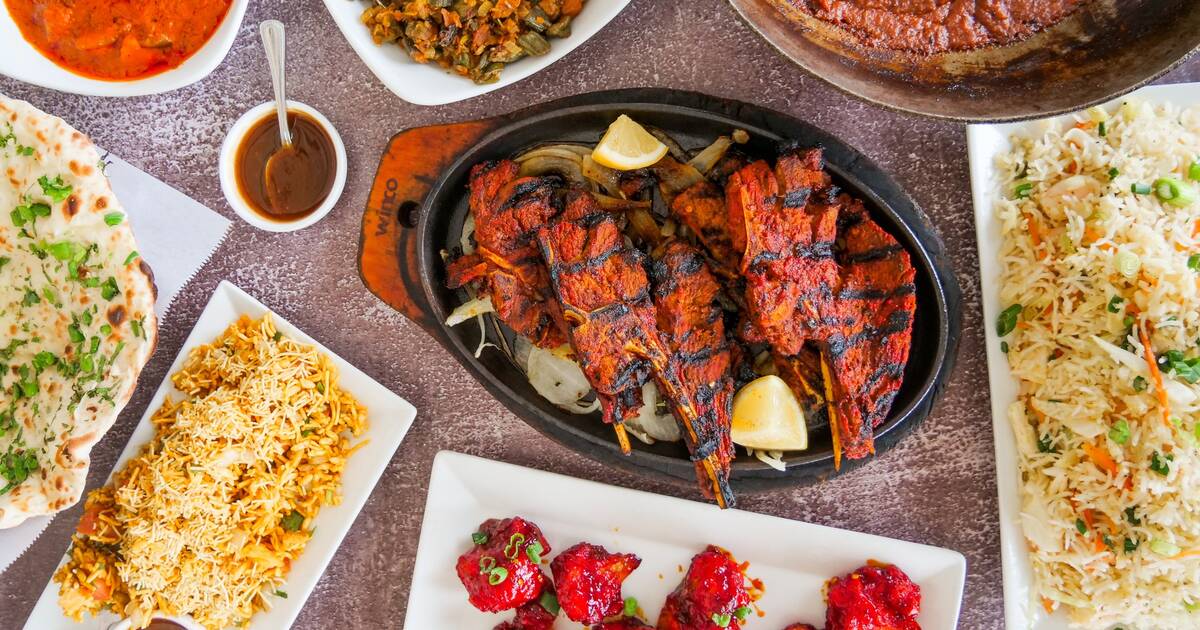
Road food is a lively expression of day-to-day life in the Middle East, using a glimpse into the region's cooking heart. As you stroll with bustling markets or dynamic roads, you'll encounter a plethora of appealing fragrances and tastes. Take a moment to enjoy newly made falafel, crunchy on the outside and tender within, or delight in shawarma, adeptly marinaded and smoked to excellence.
Do not miss out on the possibility to attempt kebabs crackling on skewers, served with cozy pita bread and vibrant sauces. Vendors commonly provide quick attacks like mouthwatering sambousek or sweet kunafa, making sure there's something for every person. Street food isn't just regarding preference; it's concerning connection. You'll see locals gathering, sharing giggling, and enjoying their meals with each other. This vibrant atmosphere draws you in, making you feel part of the neighborhood. So go in advance, immerse yourself on the planet of Middle Eastern road food and experience its rich tastes firsthand.
Parties and Community: Food as an Unifying Force
While food often brings other individuals with each other, in the center East, it acts as the heartbeat of celebrations and community gatherings. Imagine on your own at a lively celebration, bordered by the aroma of spiced kebabs and newly baked bread. You 'd discover read the article households sharing platters of hummus and tabbouleh, each recipe informing a story of custom and love.
During Ramadan, the iftar meals unify good friends and households as they break their quick with each other, emphasizing appreciation and link. Weddings feature elaborate banquets, where visitors delight in sweets like baklava and kunafa, celebrating love and unity.
You might discover that food isn't just nourishment; it's an icon of friendliness and togetherness (Catering Vancouver). Whether it's an easy event or a grand occasion, the act of sharing a dish cultivates bonds, reinforces partnerships, and produces long lasting memories. In the Middle East, food genuinely comes to be a unifying pressure that transcends boundaries and commemorates the splendor of neighborhood
Regularly Asked Questions
What Are the Wellness Benefits of Middle Eastern Cuisine?
Middle Eastern cuisine provides various health and wellness benefits. You'll appreciate fresh components, healthy and balanced fats, and lots of seasonings, promoting heart wellness and food digestion. And also, its plant-based choices can increase your overall nutrition and energy degrees.
Just How Can I Discover Halal-Certified Dining Establishments Outside the Middle East?
You can find halal-certified restaurants outside the Middle East by utilizing apps like Zabihah or HalalTrip, examining neighborhood listings, and requesting recommendations from Muslim areas or buddies aware of the location's dining alternatives.
Are There Vegetarian or Vegan Middle Eastern Cuisines?
Yes, you'll discover plenty of vegetarian and vegan Middle Eastern meals. Dishes like falafel, tabbouleh, and baba ghanoush are tasty options.
What Prevail Misconceptions About Middle Eastern Food?
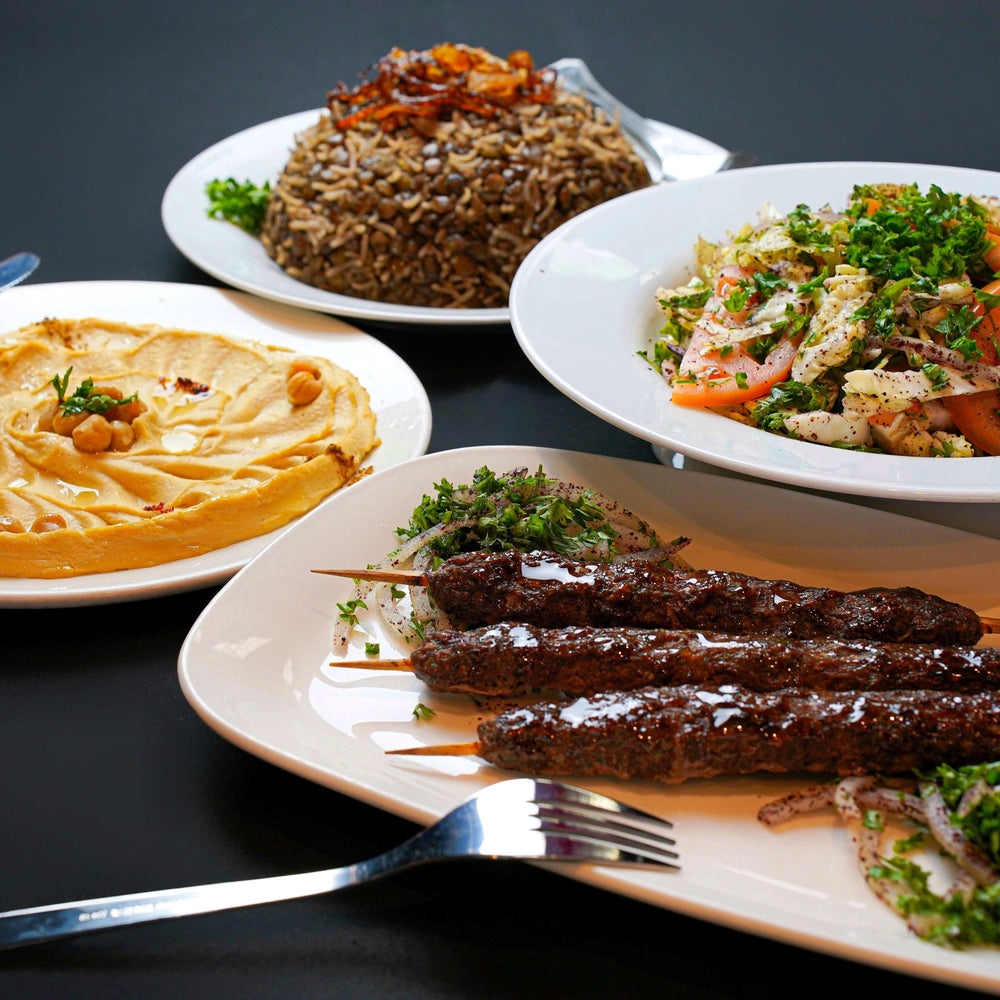
You might think Middle Eastern food is everything about meat, but that's not real. Several dishes showcase grains, vegetables, and fresh vegetables. Additionally, read this post here seasonings and flavors vary extensively, debunking the notion of harmony in cuisine.
Exactly How Do Regional Climates Affect Middle Eastern Cooking Styles?
Regional environments significantly influence cooking designs in the Middle East. You'll observe warmer locations favor grilled meats and seasonings, while cooler regions stress passionate stews and breads, showcasing the versatility of neighborhood components and customs.